
Long County Criminal Court Cases
Long County divides criminal work by charge and location. Superior Court, part of the Atlantic Judicial Circuit, has exclusive felony trial jurisdiction. Its docket includes indictments, felony pleas, judgments, sentences, and appeals within its authority. State Court handles misdemeanors, DUI cases, and traffic matters. Magistrate Court may issue arrest and search warrants, conduct warrant-application or preliminary hearings, and hear minor county matters. Juvenile Court keeps delinquency files under tighter access rules. Ludowici Municipal Court handles city ordinance and traffic matters within Ludowici.
The Clerk of Superior and State Courts is the first contact for the two main Long County criminal case files. The office is at the Long County Courthouse, 459 McDonald Street, Ludowici, GA 31316, and the published number is (912) 545-2123. A municipal citation may stay with the Ludowici clerk, while an early warrant proceeding can begin in Magistrate Court before a prosecutor files a trial-court case. Court identity matters more than the arresting agency when locating the docket.
The Long County Sheriff court-routing guide shows why a case inquiry must go to the proper court.
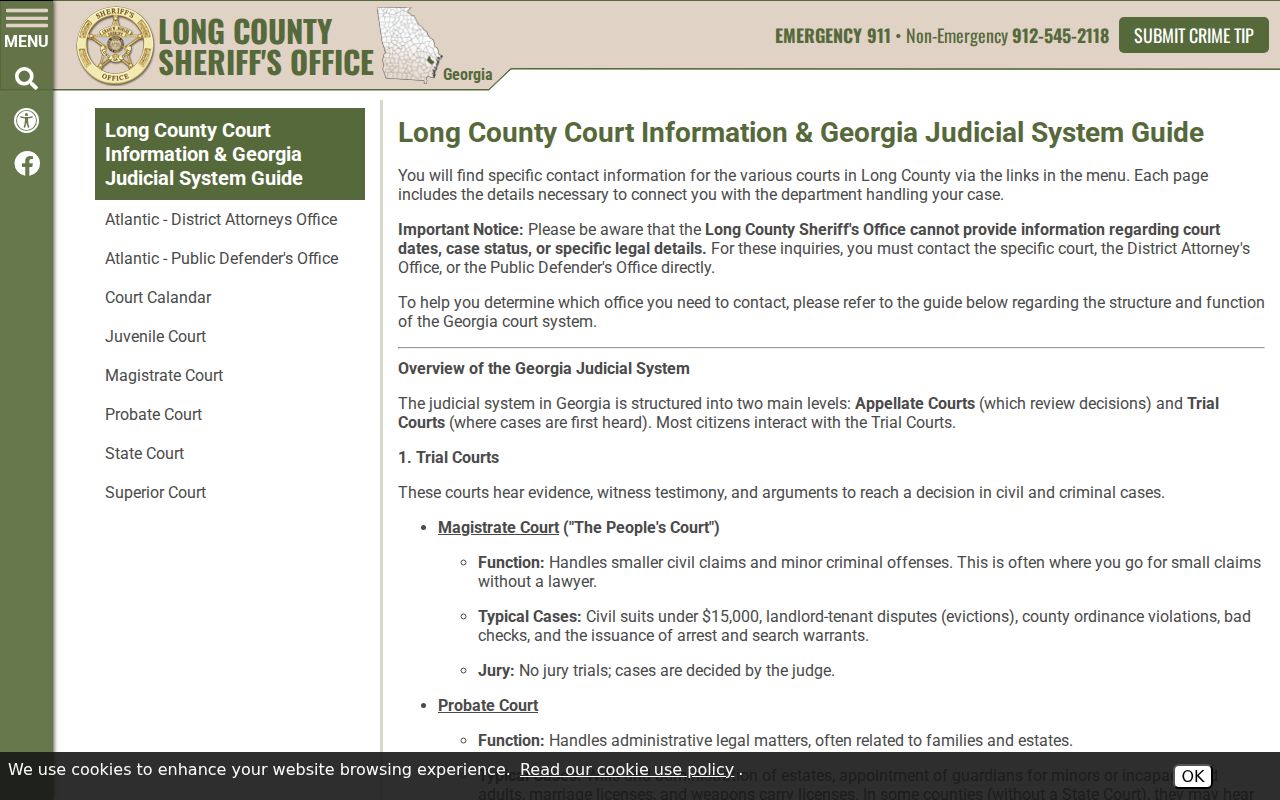
That routing page makes a key boundary plain: the sheriff cannot give court dates or case status, even when deputies made the arrest.
Long County Court Levels Compared
A charge label offers the quickest route to the correct clerk. A felony normally points to Superior Court. A county misdemeanor, DUI, or traffic prosecution points to State Court. A warrant or preliminary proceeding may first appear in Magistrate Court. A city ordinance or fine-only traffic citation can remain in Ludowici Municipal Court. The same event can touch more than one level, so an early magistrate entry does not replace the later trial-court docket.
| Court | Long County criminal role | Best first contact |
|---|---|---|
| Superior Court | Felony indictments, trials, pleas, judgments, and sentences | Superior Court clerk |
| State Court | Misdemeanors, DUI, and traffic cases | State Court clerk |
| Magistrate Court | Warrants, preliminary hearings, and minor county matters | Magistrate Court through the county directory |
| Juvenile Court | Delinquency matters with restricted youth files | Atlantic Circuit or local clerk routing |
| Ludowici Municipal Court | City ordinance and municipal traffic matters | Municipal clerk or city counter |
Searching Long County Case Records
No complete official public online docket was verified for Long County. Georgia clerks remain the court-record custodians, and access through re:SearchGA or eFileGA depends on court participation and user access. The dependable path is to identify the court, contact its clerk, and ask whether the file is electronic, paper, or archived. Use a name, an approximate filing year, and a case number when known. Ask whether the copy will be plain or certified and request a cost estimate, because an official local criminal-copy and certification fee was not located.
- Decide whether the matter is a felony, misdemeanor, warrant proceeding, juvenile file, or city citation.
- Call the proper clerk with the party name, approximate year, and case or citation number if known.
- Ask the clerk to confirm the court, division, case status, and whether the file is electronic, paper, or archived.
- Inspect the docket and identify the filed count, disposition, judgment, and sentence entries you need.
- Request plain or certified copies and obtain a fee estimate before authorizing research or copying.
These are clerk lookup keys, not fields in a verified Long County web form:
| Lookup key | Use | Status | Notes |
|---|---|---|---|
| Party name | Locate a person’s docket | Useful | Provide full name and spelling variants |
| Case number | Open an exact file | Best when known | Preserve all letters and year digits |
| Approximate year | Narrow clerk research | Useful | Use filing year rather than arrest year if possible |
| Charge level | Choose the court | Useful | Felony, misdemeanor, warrant, juvenile, or municipal |
| Date of birth | Distinguish similar names | As requested | Give sensitive data only through the official channel |
Long County’s Six-County Circuit
Superior Court sits within the Atlantic Judicial Circuit, which serves Bryan, Evans, Liberty, Long, McIntosh, and Tattnall counties. That regional structure explains why a Long County felony can involve offices outside Ludowici while its court file remains a Long County record. Circuit judges serve the larger area. The District Attorney’s main office and the circuit Public Defender are in Hinesville. Their location does not move the docket to Liberty County.
The Atlantic Judicial Circuit District Attorney prosecutes felonies for the State. A prosecutor may pursue, amend, or dismiss charges based on the facts and law. Long County State Court misdemeanors are handled by the Solicitor-General. The prosecutor’s charging decision is not a record request channel, so obtain pleadings and dispositions from the clerk.

The circuit prosecutor’s page helps identify the State’s office, while the courthouse docket remains the clearest record of what was filed and resolved.
Inside a Long County Case File
A criminal court file answers what happened after referral to court. Its header identifies the court, case number, filing date, case type, status, and assigned judge. Party entries can show the State of Georgia, the displayed defendant name, defense counsel, and prosecutor. Charge entries identify each count, the cited statute, its class, and whether it arose through an indictment or accusation. The docket then records filings and hearings in time order.
| Case Number & Court | The unique file identifier, court, filing date, case type, status, and assigned judge. |
|---|---|
| Charging Document | An indictment, accusation, complaint, or other filed instrument stating the court counts. |
| Docket Entries | A dated register of filings, motions, notices, hearings, pleas, trial events, and orders. |
| Hearing Dates | Calendar notices and entries for arraignment, motions, plea, trial, or sentencing. |
| Disposition & Judgment | The outcome by count, such as guilty, acquitted, dismissed, nolle prosequi, no bill, or First Offender treatment as recorded. |
| Sentence & Conditions | Confinement, probation, credit, fines, costs, restitution, and related conditions when publicly displayed. |
Protected identifiers are not part of a proper public search result. Social Security numbers, full account numbers, and protected victim or minor data may be redacted. A court file is also different from a GCIC history. The court shows one local case in detail, while GCIC joins reportable events across Georgia.
Long County Charges Can Change
An arrest charge is provisional. It describes the officer’s basis at an early point, not the final shape of the prosecution. After review, a prosecutor may decline a count, amend it, proceed by accusation where lawful, or present a felony to a grand jury. A grand jury may return a true bill, which approves an indictment, or a no bill, which rejects it. The court can later dismiss a count, accept a plea, enter an acquittal, or impose judgment.
For that reason, do not treat an arrest label as the final Long County criminal court record. Read the filed charging document and the disposition for each count. “Nolle prosequi” means the prosecutor formally chose not to continue that charge at that time. “Dead docket” reflects a different procedural status and is not the same as an acquittal. If the purpose is to understand the outcome, the certified disposition is stronger evidence than a booking entry.
How a Criminal Case Moves
A Long County case can begin with an arrest or citation, followed by a prompt first appearance and bond decision. A preliminary hearing may occur when applicable. Prosecutor review then determines which charge, if any, reaches the trial court. A misdemeanor can proceed by accusation, while many felony matters move through a grand-jury indictment. Arraignment formally presents the filed charges and takes a plea. Discovery and motions follow before a negotiated plea or trial. Judgment, sentencing, appeal, or later revocation entries complete the public sequence when they apply.
Case flow: Charges Filed › Arraignment › Pretrial › Plea or Trial › Disposition › Sentencing
Court dates and status notices come from the clerk, not the Long County Sheriff’s Office. That distinction prevents a common dead end. The sheriff may hold an arrest or warrant record, yet the clerk owns the docket that shows the next hearing and final result.
Long County Defense File Routing
The Atlantic Circuit Public Defender serves eligible Long County defendants from 201 South Main Street, Suite 2400, Hinesville, GA 31313. Its published phone is (912) 369-6338 and fax is (912) 369-8327. The Long County Sheriff page provides adult, Spanish-language, and juvenile applications. An applicant completes, prints, signs, and then brings, faxes, or mails the form. Eligibility for counsel is separate from public access to a clerk file.
The official defender application route shows the available application paths.
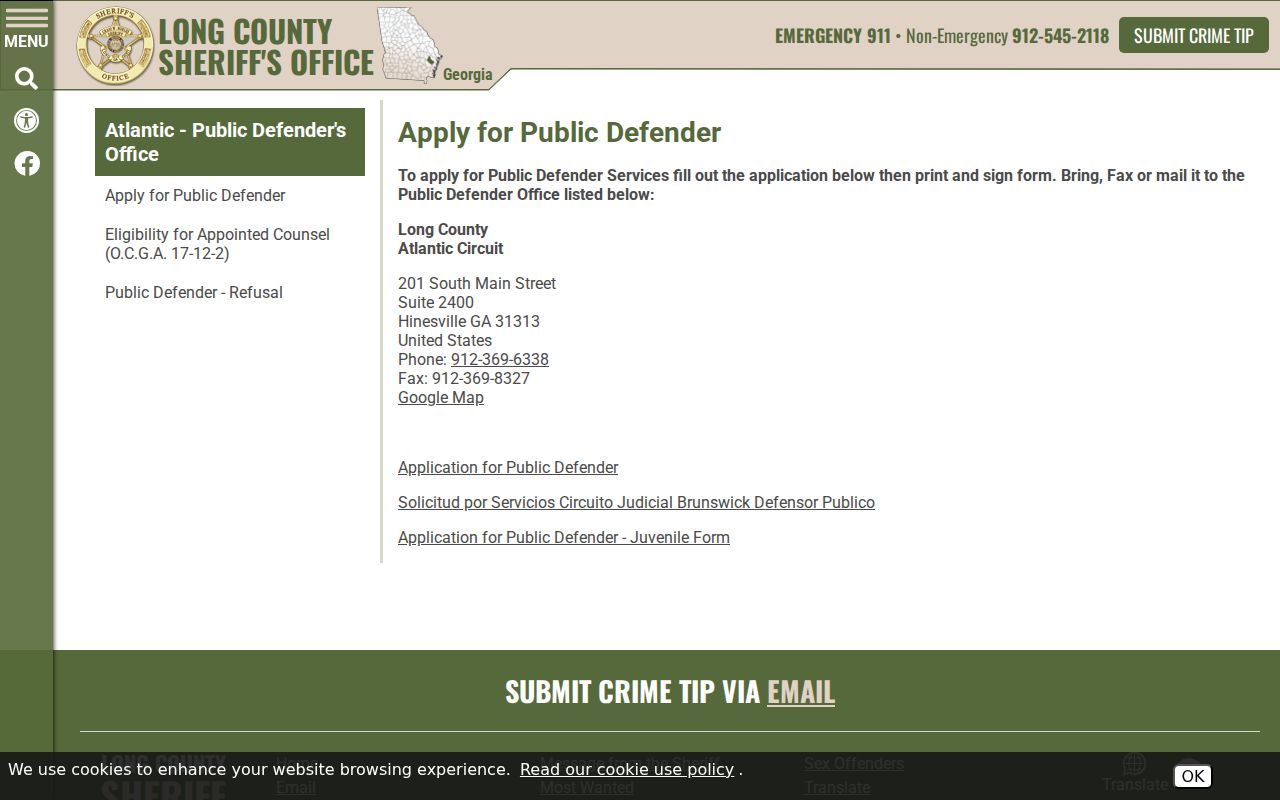
The application channel supports representation. It should not be used as a substitute for asking the court clerk to inspect or certify a public docket record.
Long County Sentences and Supervision
A disposition tells whether and how a charge ended. A sentence records the consequence after conviction or a qualifying plea. Confinement, probation, credit for time served, fines, costs, and restitution may appear, though public display varies. Concurrent sentences run at the same time. Consecutive sentences run one after another. First Offender treatment is a distinct Georgia procedure and should be read exactly as the court records it.
Adult felony probation and parole field supervision belongs to the Georgia Department of Community Supervision. Parole decisions belong to the Georgia State Board of Pardons and Paroles. These agencies may show the later supervision layer, but neither replaces the trial-court judgment. The Department of Community Supervision identifies the state supervision agency.
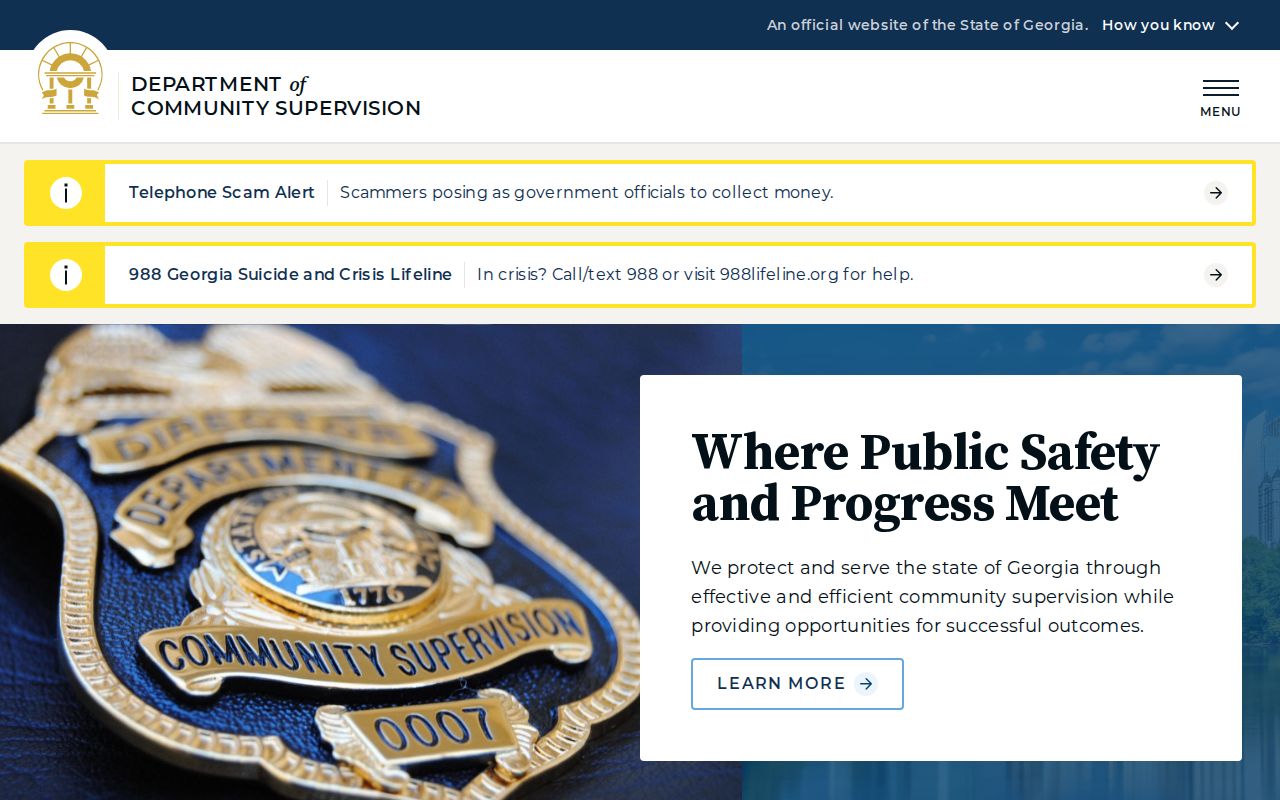
The DCS source helps trace supervision after sentence, while the Long County court record establishes the judgment that came first.
For parole decisions, the Georgia State Board of Pardons and Paroles is the official authority.
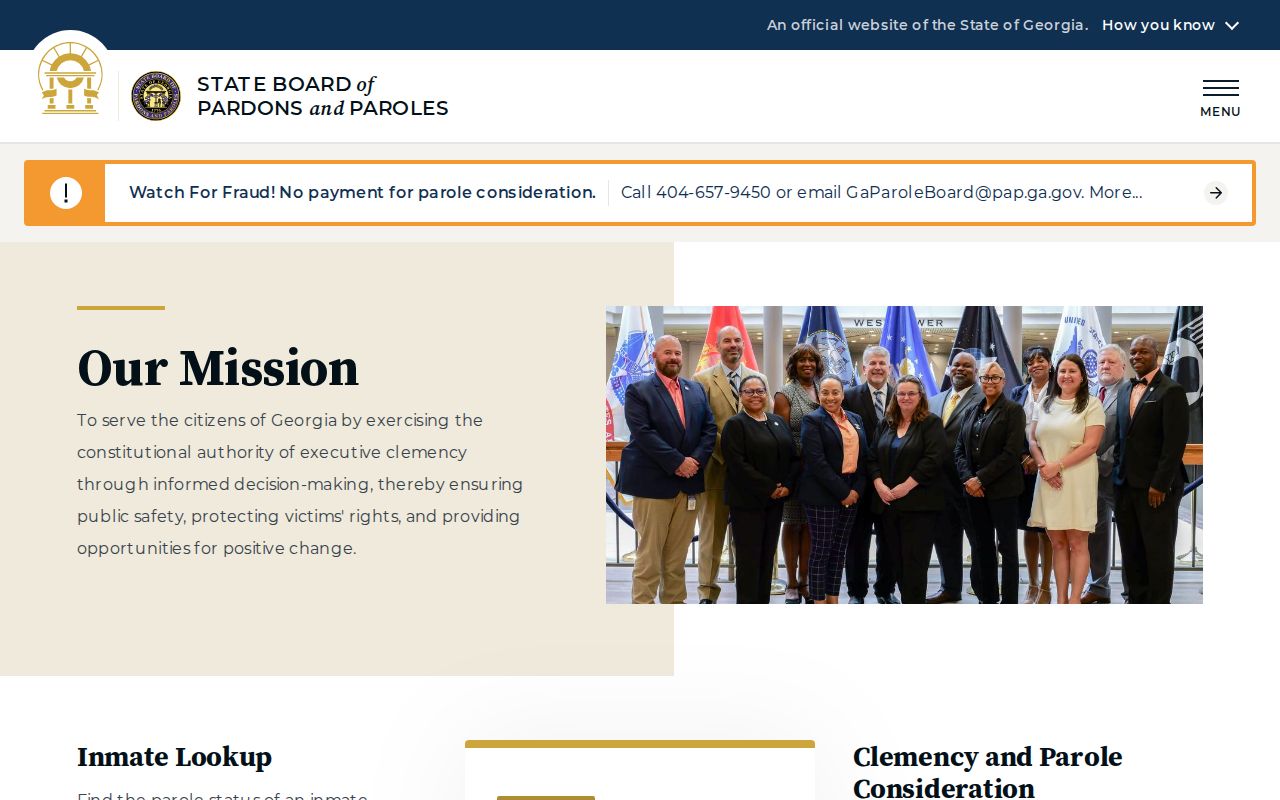
The parole authority’s record concerns release decisions. Compare it with the sentence entry rather than reading it as the complete Long County case file.
Case Record Access & Restrictions
Georgia’s Open Records Act favors access to public records, subject to exemptions. O.C.G.A. §§ 50-18-70 and 50-18-71 govern inspection, copying, reasonable fees, and the general three-business-day response framework. That period is a response rule, not a promise that every requested file will be produced within three days. Court access also follows the clerk’s rules and any order that restricts a particular file.
Juvenile records, protected victim information, and private identifiers can be closed or redacted. Record restriction under O.C.G.A. § 35-3-37 limits access to eligible criminal-history information, but a court file may need a separate sealing order. When a case is missing from an electronic view, ask the clerk whether it is paper, archived, sealed, or filed in another court. Never assume that a blank web result means no case exists.
Access note: Ask the clerk for the legal basis when material is withheld and for an estimate before extensive search or copy work begins.
When correcting your own state history, compare GCIC information with the Long County disposition. A certified clerk copy can document the local outcome. The GBI correction process and the court process remain separate, so send each custodian the record it can lawfully change.